
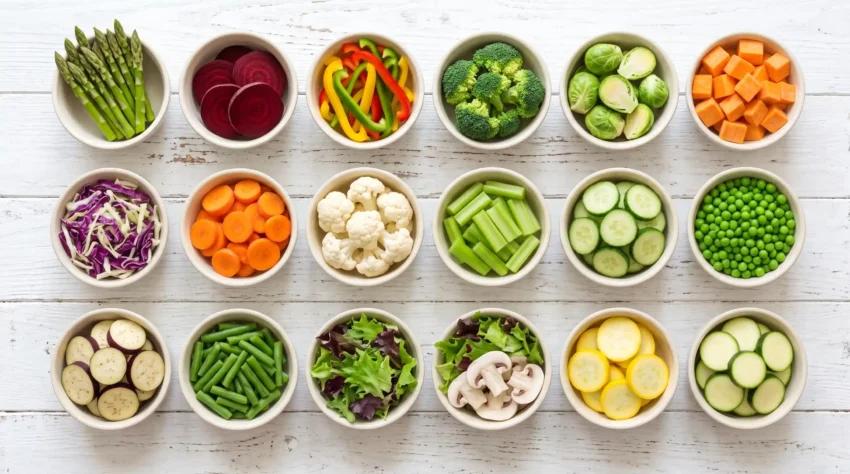
Quick answer: Yes, many vegetables are safe and genuinely good for dogs—but not all of them. Some common vegetables, including onions, garlic, and leeks, are toxic and can cause serious harm. This guide covers every common vegetable your dog might encounter, with vet-approved serving tips, preparation advice, and a complete A-to-Z list so you never have to guess.
Reviewed for accuracy against ASPCA Animal Poison Control Center guidelines and FDA pet nutrition research.
Jump to a section:
- Can Dogs Actually Eat Vegetables?
- What Makes a Vegetable Safe or Dangerous?
- Vegetables Dogs Can Eat — A-to-Z Guide
- How to Prepare Vegetables for Your Dog
- Are Vegetables Good for Dogs Every Day?
- Can Puppies Eat Vegetables?
- What to Do If Your Dog Eats a Toxic Vegetable
- FAQ
You’re chopping carrots for dinner, and your dog is watching with those eyes. You’re almost certain they want one. But should you give it to them?
Most dog owners have been in exactly that moment. A quick glance at the vegetable on the cutting board, a quick look at those hopeful eyes—and a genuine question: is this safe?
The honest answer is that most vegetables are fine for dogs. Some are genuinely great for them. But a handful of common vegetables—ones you probably have in your kitchen right now—can cause real harm, and some can be life-threatening. The ASPCA Animal Poison Control Center reports that onion and garlic toxicity in dogs ranks among the top 10 reported poisoning cases every single year, with thousands of calls logged annually from worried pet owners.
That’s not meant to frighten you. It’s meant to give you the information you deserve before you share your next meal. This guide covers every vegetable your dog is likely to encounter—what’s safe, what’s toxic, how to prepare each one, and how much to give—so you can share with confidence and care for the dog who counts on you.
Can Dogs Actually Eat Vegetables?
Yes—and many vegetables offer real nutritional value for your dog. Dogs are omnivores, not strict carnivores. Their digestive systems can process plant matter, though less efficiently than humans do. This means vegetables can be a genuinely healthy addition to your dog’s diet when chosen carefully and prepared correctly.
Here’s a quick snapshot of where common vegetables land:
| Vegetables Generally Safe for Dogs | Vegetables Toxic or Risky for Dogs |
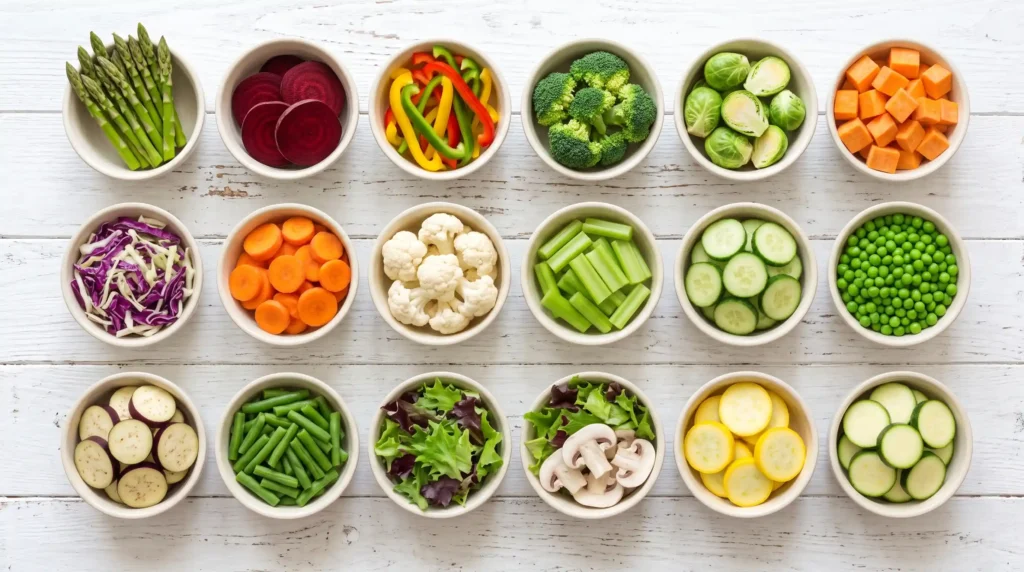
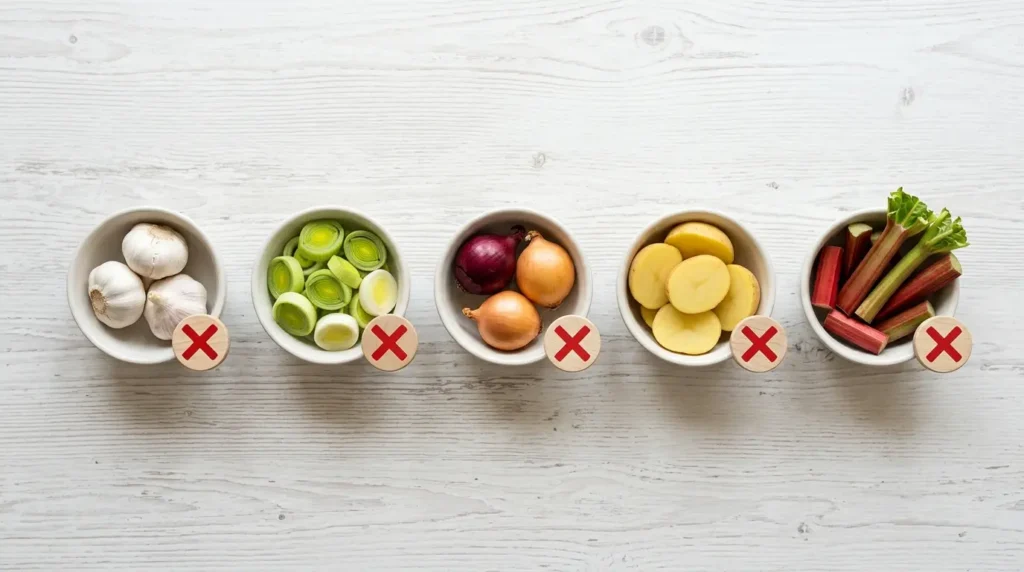
| Carrots, green beans, peas, cucumbers | Onions, garlic, leeks, rhubarb |
| Broccoli (in moderation), zucchini | Raw potatoes, wild mushrooms |
| Sweet potato, spinach (small amounts), bell peppers | Corn on the cob (choking hazard) |
| Cabbage, cauliflower, lettuce, beets | Eggplant (caution for dogs with arthritis) |
Every vegetable on this list is covered in detail below. No guessing needed—just scroll to the one you’re asking about.
What Makes a Vegetable Safe or Dangerous for Dogs?
Not every vegetable that’s healthy for you is healthy for your dog. A few key factors determine whether a vegetable is safe to share.
Compounds to watch for:
- phosphates, found in onions, garlic, and leeks—these destroy red blood cells and cause a condition called thrombolytic anemia
- Oxalic acid, found in spinach and rhubarb in significant quantities—this can interfere with calcium absorption and put stress on the kidneys
- Solanine, a naturally occurring compound in green or raw potatoes and eggplant—this is harmful to dogs in meaningful amounts
Preparation matters more than most people realize. Some vegetables are safer cooked than raw (sweet potato, for example), while others retain more of their value raw (carrots, cucumbers). The danger is never the vegetable itself sitting in your fridge—it’s what gets added to it. Salt, butter, garlic powder, onion powder, and seasoning blends can turn a safe vegetable into a dangerous one.
Portion size is always part of the picture. Even genuinely safe vegetables can cause digestive upset when given in large amounts. A dog’s digestive system needs time to adjust to new foods.
Your dog’s individual health matters. A senior dog with kidney disease, a puppy still developing, or a dog with inflammatory bowel disease may react very differently to the same vegetable than a healthy adult dog.
Use this 3-question safety check before sharing any new vegetable with your dog:
- Is this vegetable on a verified safe list?
- Is it prepared correctly—plain, with no salt, seasoning, butter, or onion/garlic powder?
- Is the portion appropriate for your dog’s size?
A real-world example of why this matters: In 2019, a Labrador in the UK was hospitalized after consuming a large portion of homemade soup that contained onions and garlic. The owner had no idea either ingredient was toxic to dogs. The dog recovered after emergency veterinary treatment (source: Veterinary Record case reports). The soup was prepared with care—the problem was the ingredients, not the intent.
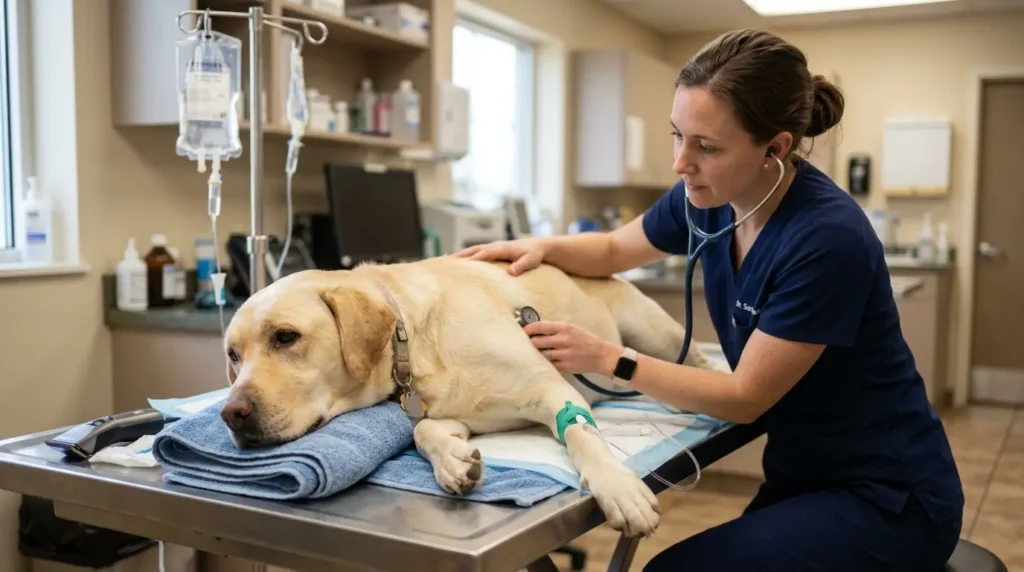
Introduce any new vegetable gradually, and watch for signs of digestive upset, including loose stools, vomiting, or unusual lethargy.
Vegetables Dogs Can Eat — A Complete A-to-Z Guide
Below, you’ll find every vegetable your dog is likely to encounter—from ones you can share freely to ones that should never leave your plate. Each entry includes how to serve it, how much is appropriate, and what to watch for.
✅ Asparagus—Safe, But Not the Best Choice
Safety: Safe with caveats
Asparagus is technically safe for dogs, but it’s not the most practical vegetable to offer. Raw asparagus is too tough for most dogs to chew comfortably, and cooking it until soft enough to eat safely tends to remove much of its nutritional content.
One important note: the asparagus fern—the ornamental plant variety, not the vegetable—is toxic to dogs. If you grow asparagus in your garden, keep your dog away from the plant itself.
Serving tip: Cook until very soft, cut into small pieces, and serve plain. Given the effort involved with minimal benefit, most vets would suggest reaching for a carrot instead.
✅ Beets — Safe in Moderation
Safety: Safe
Beets offer a decent amount of footplate, fiber, and vitamin C. The beet greens are also safe and nutritious. That said, beets are relatively high in sugar and escalates, making them better as an occasional treat than a daily addition—particularly for dogs prone to urinary issues.
Serving tip: Serve cooked and plain. Don’t be alarmed if your dog’s urine or stool turns slightly pink after eating beets—this is normal and harmless.
✅ Bell Peppers — Great Choice for Dogs
Safety: Safe
All colors of bell pepper—red, orange, yellow, and green—are safe for dogs. Red bell peppers are the most nutritious, containing the highest levels of vitamins A, C, and E. Remove seeds and stems before serving. Both raw and plain-cooked bell peppers are fine.
Avoid hot peppers of any variety. captain causes significant digestive distress in dogs, even in very small amounts.
Serving tip: Slice into strips for a crunchy snack. Most dogs enjoy the mild sweetness of red and orange bell peppers.
✅ Broccoli — Safe in Small Amounts
Safety: Safe with portion limits
Broccoli is genuinely nutritious—it offers vitamin C, fiber, and potassium. The florets are the safest part; the stalks can be a choking hazard for smaller dogs and are harder to digest.
The catch is a compound called isothiocyanate, found in broccoli florets. This substance can cause gastric irritation when broccoli makes up more than 10% of your dog’s daily diet. A few small florets as an occasional treat? Perfectly fine. A bowl of it every day? Not recommended.
Serving tip: Lightly steam it and cut into small pieces. Think of broccoli as a treat, not a daily vegetable.
✅ Brussels Sprouts — Safe, With One Well-Known Side Effect
Safety: Safe
Brussels sprouts are packed with vitamins K and C, antioxidants, and fiber. They are genuinely good for your dog in small amounts. The well-known downside: they produce gas. Expect some odor after serving them.
Serving tip: Serve cooked and plain—never with butter, oil, or seasoning. Start with one or two sprouts to see how your dog tolerates them before making it a regular addition.
✅ Cabbage—Safe, Gas-Producing
Safety: Safe
Cabbage provides vitamins K and C along with antioxidants that support skin health. Like Brussels sprouts, it can cause gas—so introduce it slowly.
Both raw and cooked cabbage are safe, though cooked cabbage tends to be easier to digest. Avoid large quantities of red cabbage; the anthocyanins it contains are fine in small amounts.
Serving tip: Chop finely and mix into food, or offer a small piece as a standalone treat.
✅ Carrots — One of the Best Vegetables for Dogs
Safety: Safe
Carrots are one of the best vegetables you can share with your dog. They are low in calories, high in beta-carotene (which converts to vitamin A), and genuinely good for dental health when served raw and whole. Dogs enjoy the crunch, and many happily accept carrots as a training reward without the added calories of processed treats.
Frozen carrots make a soothing treat on warm days. Whole raw carrots work beautifully for larger dogs as a long-lasting chew. Chopped carrots are easier for smaller dogs.
Serving tip: Safe raw or cooked, in reasonable amounts. One of the very few vegetables with essentially no caveats.
✅ Cauliflower — Safe in Moderation
Safety: Safe
Cauliflower is a solid source of fiber, vitamins C and K, and footplate. Like broccoli and Brussels sprouts, it can cause gas—particularly when served raw.
Serving tip: Lightly steamed cauliflower is the best option—easier to digest, still nutritious, and gentle enough for most sensitive stomachs. Start with small amounts.
✅ Celery — Safe and Refreshing
Safety: Safe
Celery is low in calories, high in water content, and contains vitamins A, B, and C. Some sources also credit celery with being a natural breath freshener for dogs, though the effect is mild.
The stringy fibers can be tricky for smaller dogs, so cut celery into small pieces before serving. Remove the leaves, which can be slightly tougher to digest.
Serving tip: Slice into rounds and offer as a light, hydrating snack.
✅ Cucumber—Excellent for Dogs
Safety: Safe
Cucumber is one of the most refreshing vegetables you can offer your dog. Almost entirely made of water, it is extremely low in calories and contains a small amount of vitamin K. Dogs that are managing their weight do particularly well with cucumber as a snack.
Safe raw, with or without skin (though removing the skin reduces any potential pesticide exposure). Slice into rounds or spears.
Serving tip: A guilt-free treat that most dogs enjoy—especially on warm days when hydration matters most.
⚠️ Eggplant—Use Caution
Safety: Caution
Eggplant belongs to the nightshade family and contains solanine, a compound that can be problematic in larger quantities. For most healthy dogs, a small amount of cooked eggplant is unlikely to cause serious harm.
Dogs with arthritis or kidney problems should avoid eggplant entirely, as it may worsen inflammation.
Serving tip: Cook thoroughly, serve plain, and keep portions very small. Watch closely for any signs of allergic reaction—vomiting, itching, or facial swelling—after the first serving.
✅ Green Beans — A Top Choice for Dogs
Safety: Safe
Green beans are widely considered one of the safest, most versatile vegetables for dogs. Low in calories, high in fiber, and genuinely filling—they are especially useful for dogs on a weight management plan. Many veterinarians recommend replacing a portion of a dog’s kibble with green beans to help overweight dogs feel satisfied while reducing overall calorie intake.
Safe raw, steamed, or canned—choose no-salt-added varieties only. Never use seasoned or buttered preparations.
Serving tip: Canned green beans (plain, no salt) are a convenient option. Fresh or frozen work just as well.
⚠️ Kale — Best Offered Rarely
Safety: Caution
Kale carries a reputation as a super food, but it comes with real caveats for dogs. Kale contains both calcium oxalate (which raises kidney stone risk over time) and ratiocinates (which can cause gastric irritation in meaningful quantities).
Occasional small amounts are unlikely to cause harm in a healthy dog. Daily feeding, however, is not recommended.
For dogs with any history of bladder stones or kidney problems, kale should be avoided entirely. Choose a safer leafy green—like romaine lettuce—instead.
Serving tip: If you offer kale at all, keep it to a small leaf occasionally, and never make it a regular part of their diet.
✅ Lettuce—Safe and Light
Safety: Safe
Romaine, arugula, and iceberg lettuce are all safe for dogs. Low in calories and mostly water, lettuce isn’t particularly nutritious for dogs—but it’s harmless as a light snack and a good way to add variety to a treat rotation.
Serving tip: Wash thoroughly, tear into manageable pieces, and serve plain. Avoid any lettuce that has been dressed with vinegar, oil, garlic, or onion—even small amounts of these additions can be harmful.
⚠️ Mushrooms—Proceed Very Carefully
Safety: Store-bought safe; wild mushrooms extremely dangerous
Plain, store-bought mushrooms—white button, cremini, and portobello—are generally considered safe for dogs in small amounts when cooked plain. Wild mushrooms, however, are a serious and potentially fatal hazard.
Dogs cannot reliably distinguish between safe and toxic mushroom varieties, and neither can most people without specialized knowledge. According to the ASPCA, hundreds of wild mushroom ingestion cases are reported annually. In 2021, multiple dogs in a single Oregon neighborhood were hospitalized after consuming Anita haploids—commonly known as death cap mushrooms—growing in a backyard. Several of those dogs did not survive.
Serving tip: Given the risk of confusion with wild varieties, the safest recommendation is to avoid mushrooms altogether or limit strictly to plain, store-bought varieties in minimal amounts. Never allow your dog to sniff around wild mushrooms on walks or in the yard.
✅ Peas—Safe, With a Research Note
Safety: Safe with moderation
Garden peas, snap peas, and snow peas are all safe for dogs and provide a good source of protein, fiber, and vitamins B and K. Many dogs enjoy the sweetness of fresh or frozen peas.
One important note: a 2018 FDA investigation flagged a potential link between pea-heavy diets and dilated cardiomyopathy (DCM) in dogs. The research is ongoing and not yet conclusive, but it is worth knowing. Avoid making peas a primary or dominant component of your dog’s diet. Moderation is the right approach.
Serving tip: Avoid canned peas with added salt. Serve fresh or frozen (thawed), in moderate amounts.
✅ Spinach — Small Amounts Only
Safety: Caution for dogs with kidney issues
Spinach is safe in small amounts for healthy dogs, but it is not ideal as a daily vegetable. The oxalic acid it contains can interfere with calcium absorption and place stress on the kidneys when consumed in large quantities over time.
For a healthy dog, an occasional small handful is unlikely to cause harm. For dogs with kidney disease or a history of urinary issues, spinach should be avoided entirely.
Serving tip: Lightly steam it and offer sparingly—think of it as a supplement, not a staple. A few leaves once a week is plenty.
✅ Squash—Nutritious and Dog-Friendly
Safety: Safe
Butternut squash, acorn squash, and summer squash are all safe and offer a solid combination of fiber, potassium, and beta-carotene. Many dogs enjoy it as a fiber boost for digestive regularity, particularly those prone to loose stools.
Cook it plain—baked or steamed—and remove seeds and skin before serving. The flesh is the safest and most digestible part.
Serving tip: A few small cubes of steamed butternut squash make a wholesome, gentle treat.
✅ Sweet Potato—One of the Best Choices
Safety: Safe when cooked
Sweet potato is one of the most nutrient-dense vegetables you can give your dog—rich in beta-carotene, dietary fiber, and vitamins B6 and C. Many commercial dog treats use sweet potato as a primary ingredient precisely because of its nutritional value and repeatability.
Always cook it before serving. Raw sweet potato is significantly harder to digest and can cause stomach upset. Bake or steam it plain, remove the skin, and never add butter, sugar, oil, or spices.
Serving tip: A few small cubes of plain baked sweet potato are a genuinely wholesome treat that most dogs love.
✅ Zucchini — Excellent Choice
Safety: Safe
Zucchini is a standout option. It is low in calories, easy to digest, mild in flavor, and has no known toxicity concerns for dogs. High in water content, it is a refreshing choice during warmer months.
Safe raw or cooked, with or without skin. Slice into rounds for a crunchy snack or dice and mix into meals.
Serving tip: One of the safest vegetables on this entire list. Freely share in reasonable amounts.
❌ Garlic—Toxic. Do Not Feed.
Safety: Toxic
Garlic is toxic to dogs—and significantly more potent than onions by weight. Garlic is approximately five times more toxic to dogs than onions per gram consumed.
Despite some folk claims about garlic as a natural flea repellent, no credible veterinary body supports this use. The American Kennel Club, the ASPCA, and the Merck Veterinary Manual all classify garlic as toxic to dogs. The risk of toxicity far outweighs any unproven benefit.
Small amounts in a single incident may not cause severe harm in a large dog, but this should never be tested deliberately. Garlic powder is particularly dangerous because it is concentrated and often hidden in human food, seasoning blends, and sauces.
If your dog consumes garlic, contact your vet immediately—even if your dog seems fine.
❌ Leeks—Toxic. Belongs to the Same Family as Onions.
Safety: Toxic
Leeks pose the same danger to dogs as onions and garlic. As a member of the Allium family, they contain identical thiosulfate compounds that break down red blood cells and lead to hemolytic anemia.
Leeks tend to fly under the radar since they get far less attention than onions and garlic in everyday conversation—but the danger is just as real. Even a small quantity can cause harm, especially in smaller breeds.
Serving tip: None. Keep leeks entirely away from your dog.
Onions—Toxic❌ Onions—Toxic in Any Form.
Safety: Toxic
anemia—onions are one of the most commonly reported causes of dog poisoning. They contain a compound called N-propyl disulfide, which damages red blood cells and causes thrombolytic anemia—a condition where the body destroys its own red blood cells faster than it can replace them.
Every form of onion is dangerous: raw, cooked, powdered, dehydrated, and any sauce or dish prepared with onion as an ingredient. Onion powder is especially dangerous because it is concentrated and hides in many prepared human foods and seasoning packets.
Symptoms of onion toxicity—weakness, pale gums, reduced appetite, vomiting, and collapse—may not appear for several days after ingestion, making it easy to miss until it becomes serious. Repeated small exposures accumulate to toxic levels over time.
If your dog eats onions in any form, contact your vet immediately.
❌ Raw Potatoes—Toxic When Raw or Green
Safety: Toxic when raw; safe when cooked plain
Raw and green potatoes contain solanine, a naturally occurring glycoalkaloid that is harmful to dogs. The same compound is found in potato skins and sprouted potatoes.
Cooked, plain potatoes—boiled or baked with no seasoning, butter, or salt—are generally safe in moderation. The cooking process breaks down solanine significantly. But raw potatoes, green-tinged potato flesh, and potato sprouts should never be offered to your dog.
Serving tip: If you share potato at all, make it a small amount of plain boiled or baked potato. No skins, no toppings, no seasoning.
❌ Rhubarb—Toxic
Safety: Toxic
Rhubarb is one of the more dangerous plants your dog could encounter—particularly the leaves, which contain very high levels of oxalic acid and anthraquinone glyco sides. The stalks carry risk as well.
Symptoms of rhubarb toxicity include drooling, vomiting, diarrhea, weakness, and, in serious cases, kidney failure.
If you grow rhubarb in a garden, make sure your dog cannot access the plant. It should be considered entirely off-limits.
How to Prepare Vegetables for Your Dog?
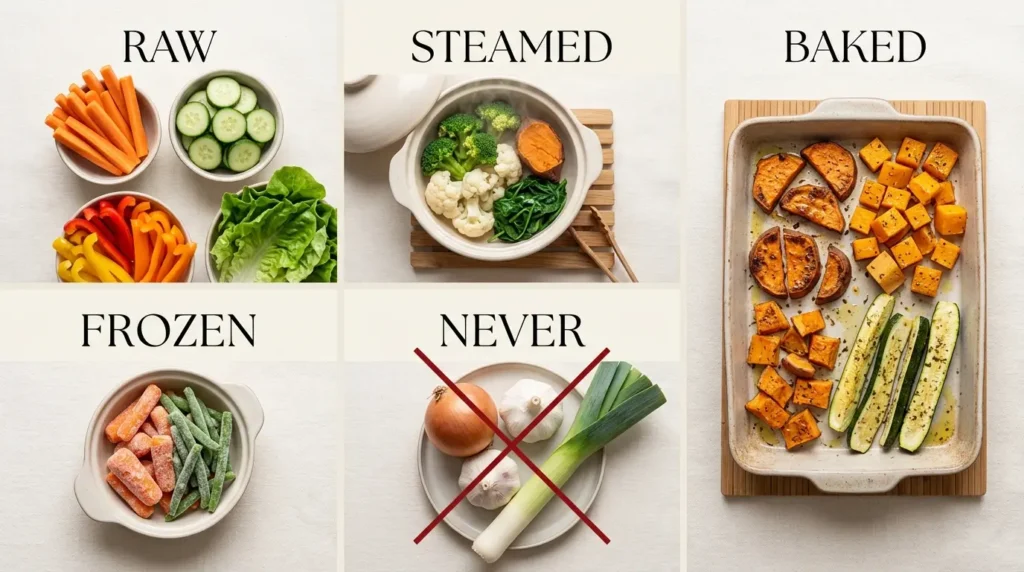
The way you prepare a vegetable matters almost as much as which vegetable you choose. Here’s a practical breakdown:
| Preparation Method | Best For | Key Considerations |
| Raw | Carrots, cucumbers, bell peppers, lettuce | Retains the most nutrients; watch for choking hazards in small dogs |
| Steamed | Broccoli, cauliflower, sweet potato, spinach | Improves digestibility; retains more nutrients than boiling |
| Baked | Sweet potato, squash, zucchini | Great for texture-sensitive dogs; never add oil, butter, or seasoning. |
| Frozen | Carrots, green beans | Soothing for teething puppies; a refreshing summer treat |
| Never (any method) | Onions, garlic, leeks | Toxic regardless of preparation method—even powdered or cooked |
The most important rule: no salt, no butter, no oil, no garlic powder, no onion powder—ever. A significant number of dogs are accidentally poisoned through seasoned vegetables or scraps from human meals that were prepared with common flavor additions. Your seasoned roasted vegetables may smell wonderful to your dog, but the seasonings used can cause serious harm.
How much vegetable is right for your dog?
| Dog Size | Suggested Vegetable Portion Per Day |
| Small (under 20 lbs) | 1–2 teaspoons |
| Medium (20–50 lbs) | 1–2 tablespoons |
| Large (50+ lbs) | Up to ¼ cup |
Vegetables should make up no more than 10% of your dog’s daily caloric intake. Their primary nutrition needs to come from a complete, balanced dog food. Vegetables are a supplement—a wholesome, caring addition—not a replacement for a proper diet.
Are Vegetables Good for Dogs Every Day?
For many dogs, yes—with the right choices and the right amounts. The benefits of including vegetables in your dog’s diet are genuinely meaningful.
The real benefits of vegetables for dogs:
- Fiber supports healthy digestion. Fiber-rich vegetables like green beans and sweet potato help regulate both constipation and loose stools, keeping your dog’s digestive system working the way it should.
- Antioxidants support the immune system. Beta-carotene (found in carrots and sweet potato) and vitamin C (found in bell peppers and broccoli) contribute to a healthy immune response and help protect cells from damage.
- Low-calorie volume helps overweight dogs. Vegetables like cucumber, green beans, and zucchini allow dogs to eat a satisfying amount of food without a significant calorie burden—a genuine help for dogs on a weight management plan.
- Raw texture supports dental health. Crunchy vegetables like carrots and cucumber provide gentle mechanical cleaning that can help reduce plaque buildup between professional dental cleanings.
- High water content supports hydration. Cucumber, zucchini, and lettuce are all exceptionally high in water, making them a helpful hydration source—especially during warm weather.
The risks are real too:
- Relying too heavily on vegetables can create nutritional gaps if it displaces the complete, balanced dog food your dog needs as a foundation.
- Some vegetables interact poorly with existing health conditions. Dogs with kidney disease, for example, need to avoid high-oxalate vegetables like spinach and beets. Dogs with IBD or pancreatitis may react poorly to high-fiber vegetables.
- Introducing too many new vegetables at once, or in large amounts, causes digestive upset in most dogs—even when the vegetables themselves are perfectly safe.
When to ask your vet first: If your dog has diabetes, kidney disease, pancreatitis, a history of bladder stones, or known food allergies, get specific veterinary guidance before adding vegetables to their diet. What is safe for a healthy adult dog may not be right for your dog’s individual situation.
Can Puppies Eat Vegetables?
Puppies can enjoy many of the same safe vegetables as adult dogs—but there are some important differences to keep in mind.
Puppies have smaller, more sensitive digestive systems. Introduce any new vegetable in tiny amounts, one at a time, and watch carefully for signs of stomach upset over the following 24 hours. A mild reaction to one vegetable doesn’t mean your puppy can’t eat vegetables at all—it usually means the portion was too large or the introduction was too fast.
The most important thing to understand about puppies and vegetables: vegetables are supplemental, not foundational at this life stage. Puppies are growing rapidly, and their primary nutrition must come from a complete, balanced puppy food formulated to meet their developmental needs. Vegetables cannot replace the protein, calcium, and essential fatty acids that a puppy requires during growth.
For very young puppies whose teeth are still developing, soft-cooked vegetables are a better choice than raw. Lightly steamed carrot, soft-cooked sweet potato, and plain zucchini are all gentle starting points.
As your puppy grows and their digestive system matures, you can gradually introduce a wider range of safe vegetables. Frozen carrots and frozen peas (thawed) are particularly popular with teething puppies, as the cold provides some relief.
What to Do If Your Dog Eats a Toxic Vegetable
If you believe your dog has eaten a toxic vegetable—onions, garlic, leeks, rhubarb, raw potato, or wild mushrooms—act quickly.
Call the ASPCA Animal Poison Control Center: (888) 426-4435. This line is available 24 hours a day, 7 days a week. Note that a consultation fee applies, but the guidance is expert-level and immediate.
Follow these steps:
- Stay calm. Note exactly what your dog ate, approximately how much, and when it happened.
- Do not induce vomiting unless your vet specifically instructs you to. Inducing vomiting incorrectly can sometimes cause additional harm.
- Call your vet or the ASPCA Poison Control hotline immediately—even if your dog appears fine. Some toxins, like those in onions, may not produce visible symptoms for 24–72 hours.
- Bring the packaging, plant material, or a sample of what your dog consumed to the vet appointment if possible. This helps the vet identify the exact compound and determine the appropriate treatment.
- Monitor your dog closely for symptoms: vomiting, diarrhea, lethargy, pale or white gums, excessive drooling, weakness, or tremors.
The UK Labrador case described earlier in this guide is worth repeating here: the owner prepared the soup thoughtfully, with ingredients considered wholesome for humans—but had no idea that onions and garlic were toxic to dogs. The dog recovered, but emergency veterinary treatment was required. Time and fast action made the difference.
Time matters. Onion, garlic, leek, and rhubarb toxicity can worsen significantly over 24–72 hours as toxins accumulate in the bloodstream. Do not wait for symptoms to develop before contacting your vet. A call made early costs you very little. A call made too late may cost your dog far more.
Frequently Asked Questions
Can dogs eat frozen vegetables?
Yes. Many frozen vegetables—including green beans, carrots, and peas—are safe for dogs. Choose plain varieties with no added salt or seasonings. You can serve them thawed or frozen straight from the freezer; frozen vegetables make a particularly refreshing treat during warm weather and are soothing for teething puppies.
What vegetables are most likely to give dogs diarrhea?
Broccoli, Brussels sprouts, cauliflower, and cabbage are the most commonly associated with loose stools or gas when given in excess. These vegetables are all safe in small amounts, but they contain compounds that ferment in the gut and produce gas. Start with very small portions and increase slowly to see how your dog tolerates them.
Can dogs eat cooked vegetables?
Yes, and cooking often makes vegetables easier for dogs to digest. The key rule: always serve cooked vegetables completely plain. No oil, salt, butter, garlic powder, onion powder, or any seasonings. Steaming is generally the best method because it improves digestibility without removing significant nutrients the way boiling can.
Are vegetables a good substitute for dog treats?
Absolutely—especially for dogs managing their weight. Low-calorie vegetables like cucumber, green beans, and carrots make excellent training treats. They offer real nutritional value, natural crunch, and almost no calorie burden. Many dog owners use baby carrots as a direct replacement for commercial treats during training sessions.
Why does my dog seem so interested in vegetables?
Dogs are drawn to texture, smell, and novelty. Crunchy foods trigger curiosity and engagement in dogs the same way they do in humans. Some dogs develop genuine preferences for specific vegetables over time—carrots and cucumbers are especially popular. Dogs also pick up on their owner’s interest in food, which is why a vegetable that gets no attention at floor level suddenly becomes fascinating on the cutting board.
How much vegetable can I safely give my dog each day?
Vegetables should make up no more than 10% of your dog’s total daily caloric intake. As a general guide: 1–2 teaspoons for small dogs under 20 lbs, 1–2 tablespoons for medium dogs between 20 and 50 lbs, and up to ¼ cup for large dogs over 50 lbs. Always adjust based on your dog’s overall diet, health status, and how they respond.
Is kale safe for dogs if given in large amounts?
No. Kale contains both calcium oxalate and ratiocinates in quantities that can cause real harm when consumed regularly or in large portions. An occasional small leaf for a healthy adult dog is unlikely to cause a serious problem, but daily feeding is not advisable. For dogs with kidney or bladder issues, kale should be avoided entirely. Choose romaine lettuce or cucumber as a safer leafy alternative.
Can dogs eat beet greens as well as the beet itself?
Yes, in small amounts. Beet greens are safe, but like spinach, they contain escalates. Serve sparingly—a few leaves at a time—rather than as a regular vegetable. The beet itself should also be served cooked and plain, in moderate amounts.
Are peas actually bad for dogs?
Peas themselves are not toxic. However, a 2018 FDA investigation flagged a potential connection between diets heavily based on peas (and other legumes) and an increased risk of dilated cardiomyopathy (DCM) in dogs. The research is ongoing and not conclusive, but it is prudent to avoid making peas a dominant ingredient. Fresh or frozen peas in moderate amounts, as part of a varied diet, are a reasonable choice.
Can dogs eat garlic if it’s only a very small amount?
No amount of garlic is considered safe for dogs by any credible veterinary authority. Garlic is approximately five times more toxic to dogs than onions by weight. Small amounts in a single exposure may not produce visible symptoms in a large dog, but this does not mean the exposure was harmless—and it is never something to deliberately test. If your dog consumes garlic, contact your vet right away.
Feed with Confidence, Not Guesswork
Most vegetables are safe for dogs when prepared correctly and offered in the right amounts—and many are genuinely good for them. The fiber in green beans supports healthy digestion. The beta-carotene in carrots and sweet potato supports immune health and vision. The water content in cucumbers and zucchini helps keep your dog hydrated. There is a lot of wholesome goodness here, and sharing it is a caring thing to do.
What you need to hold onto are the three non-negotiables: no onions, no garlic, and no leeks—in any form, ever. Not cooked, not powdered, not hidden in a sauce or soup. These three vegetables are genuinely dangerous, and the risk accumulates over time even with small amounts.
Keep the 10% rule in mind. Prepare everything plain. Introduce new vegetables slowly, one at a time.
And bookmark this guide—or save it somewhere you can find it quickly. The next time you’re at the cutting board with your dog watching, you’ll have everything you need to share with certainty and warmth.
The fact that you’re looking this up before you share says everything good about the kind of owner you are. Trust that instinct, keep this guide close, and give those carrots freely.
Looking for more guidance on what your dog can safely eat? Explore our related guides: “Can Dogs Eat Fruit?”